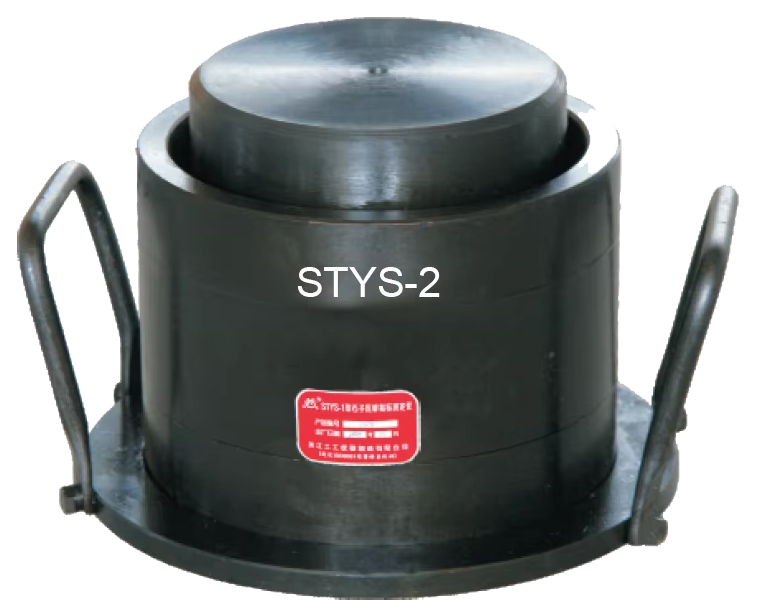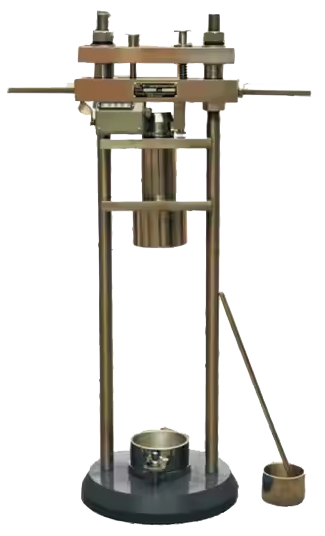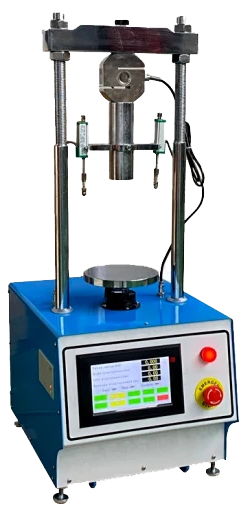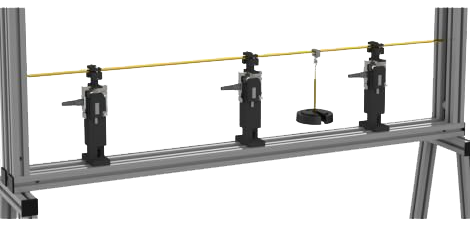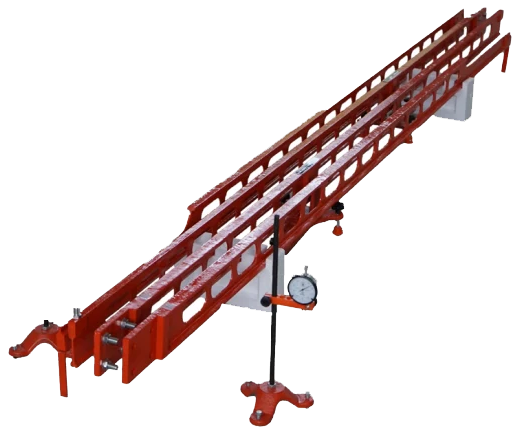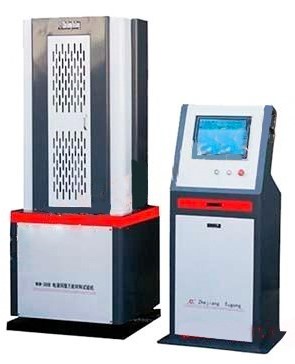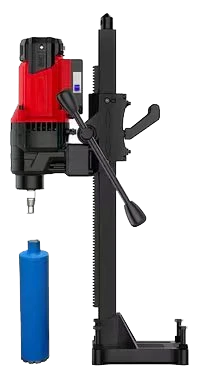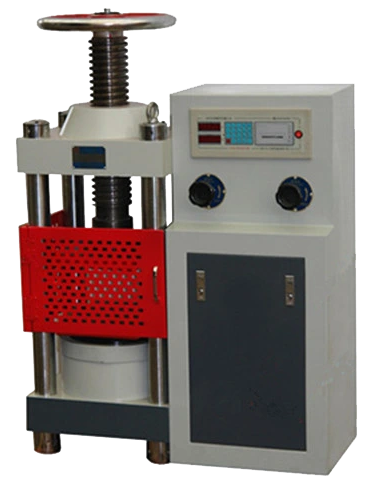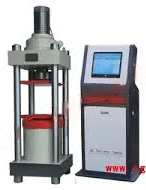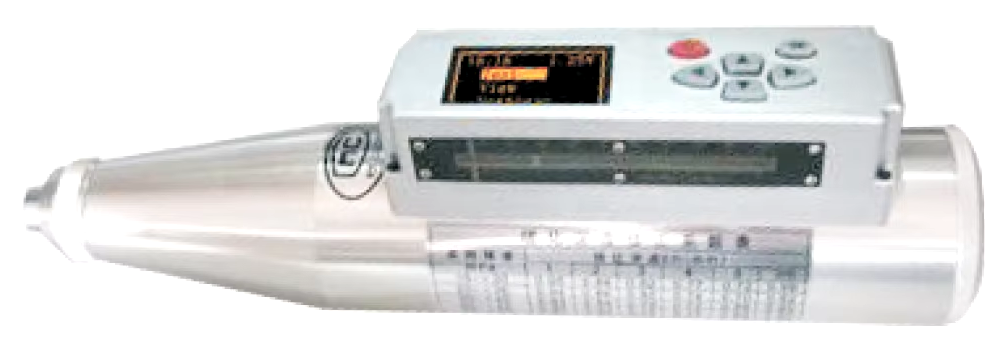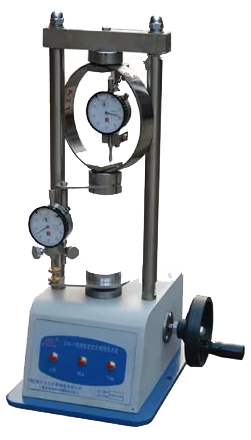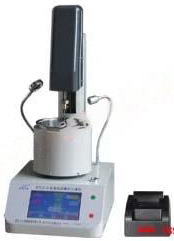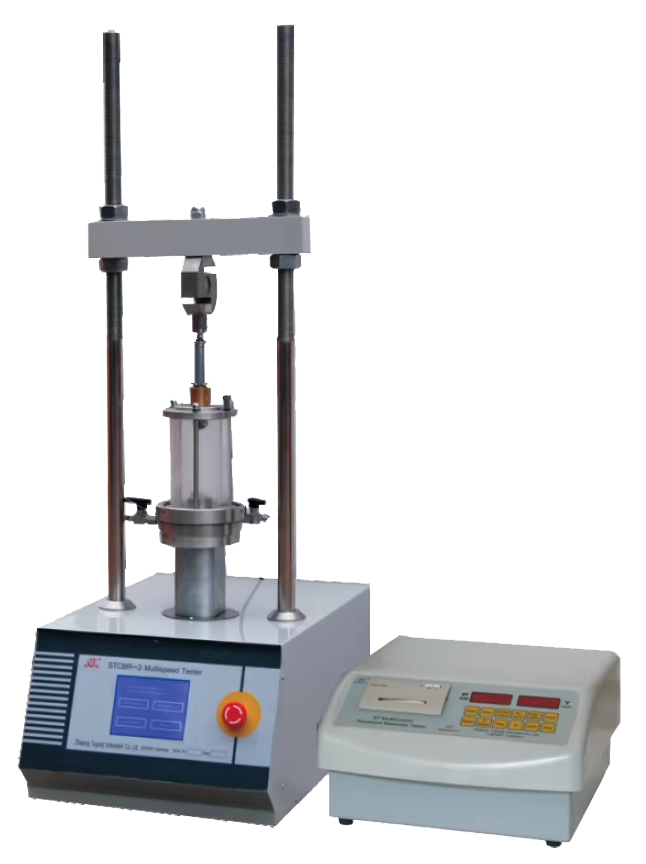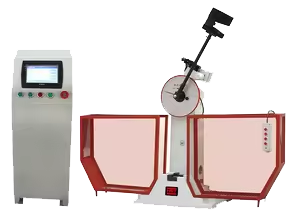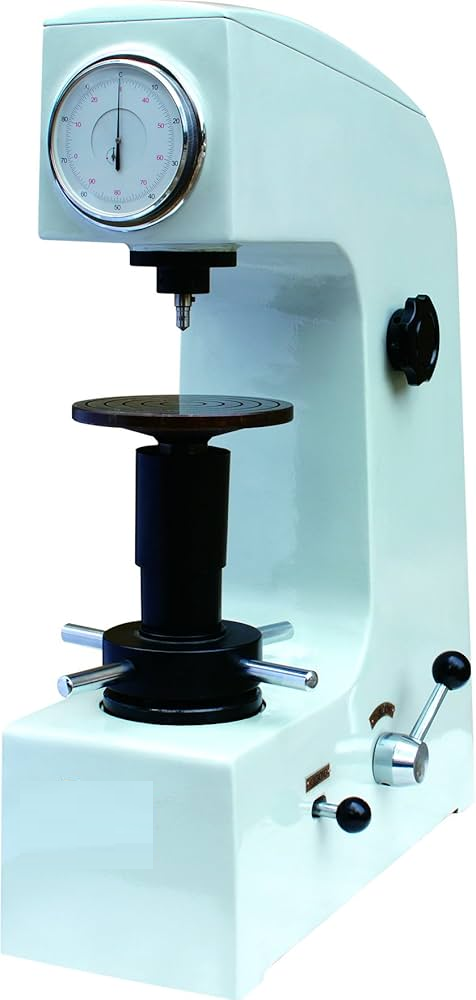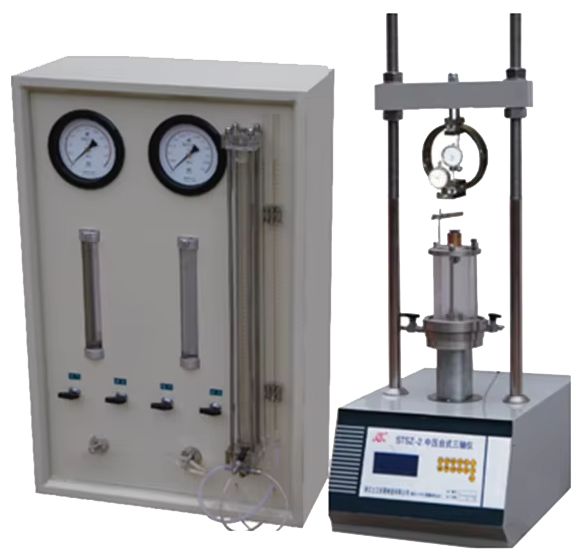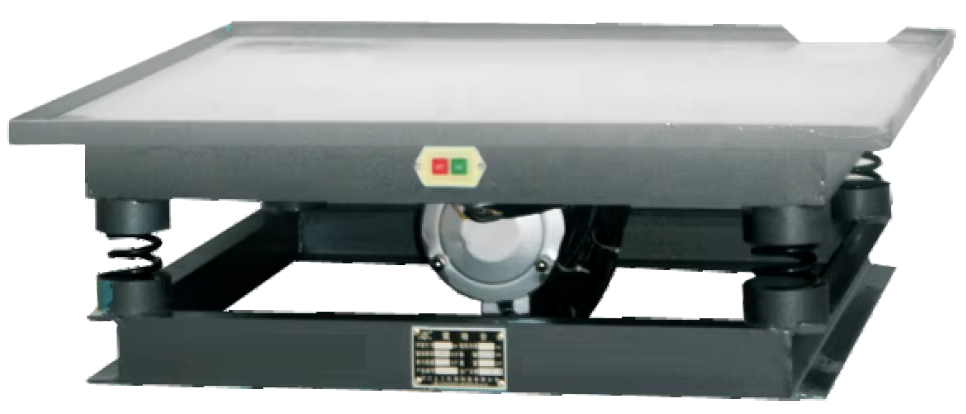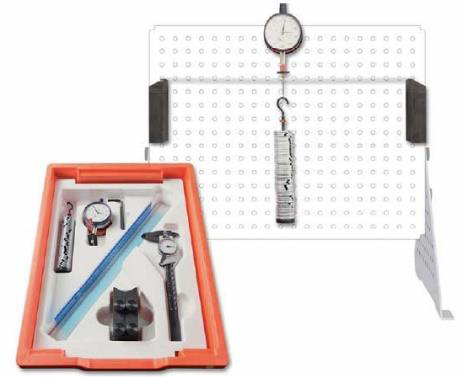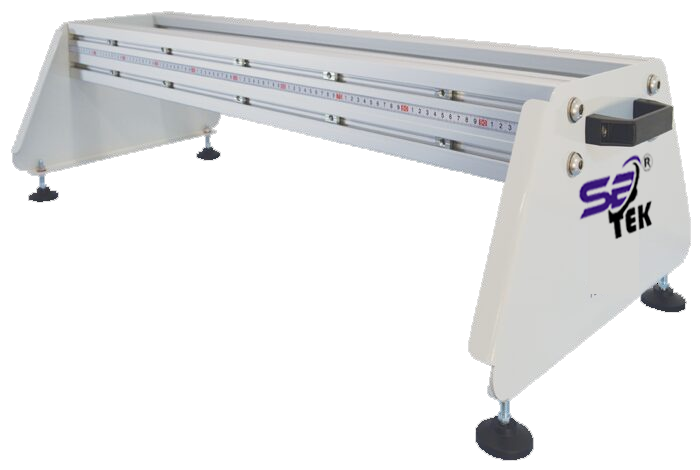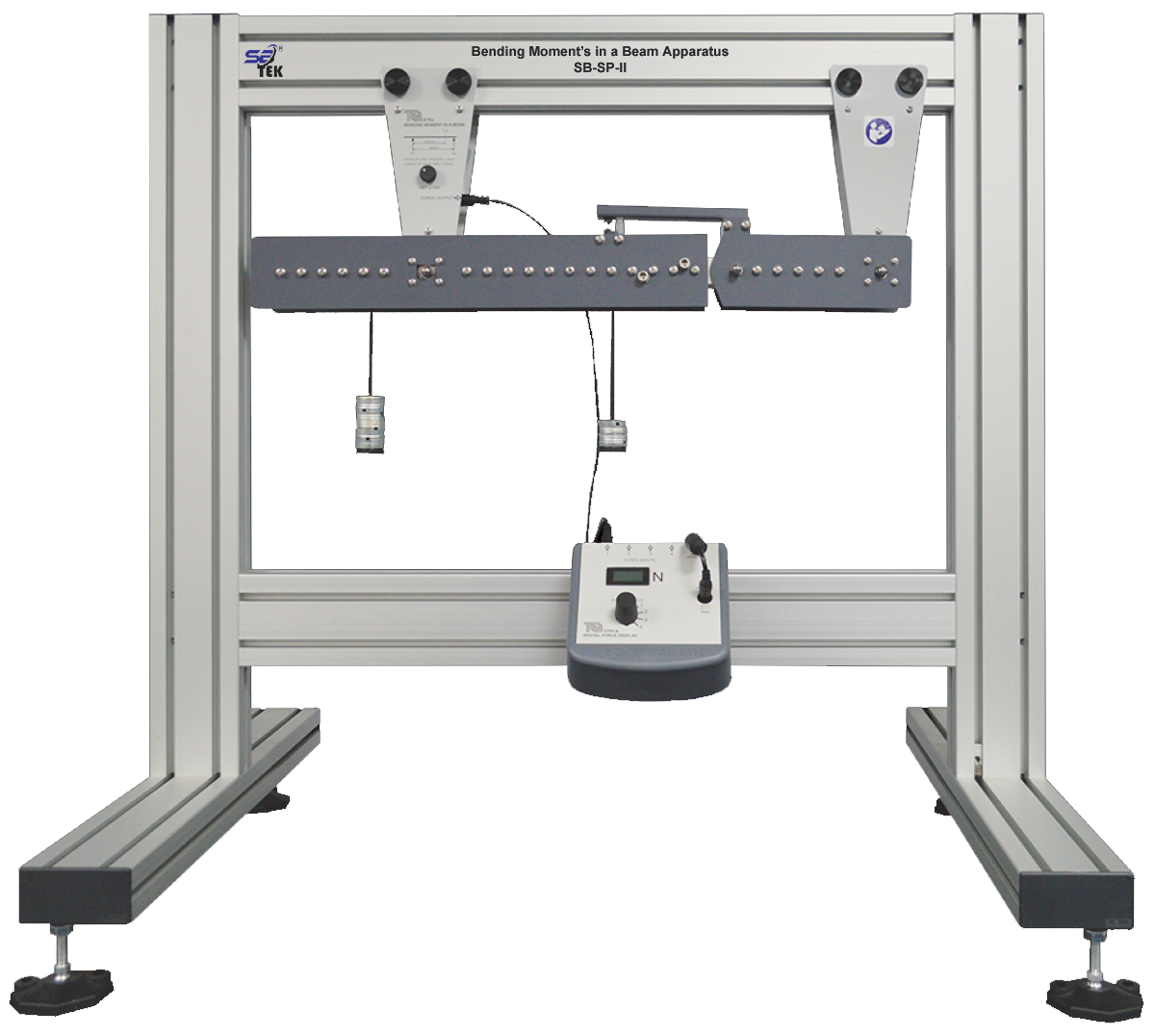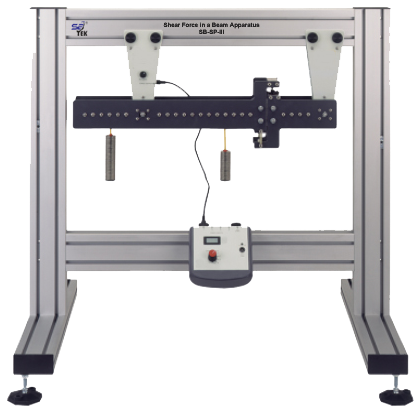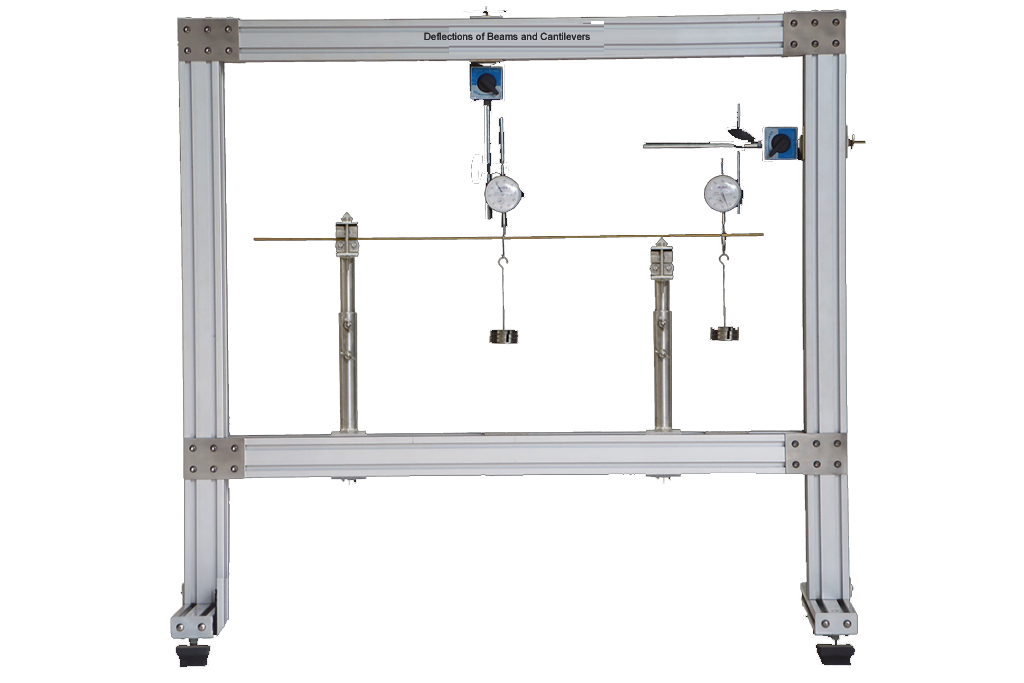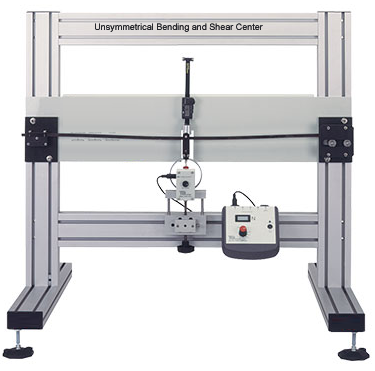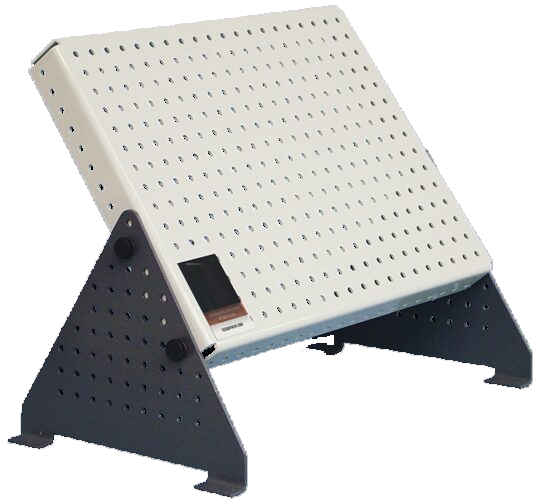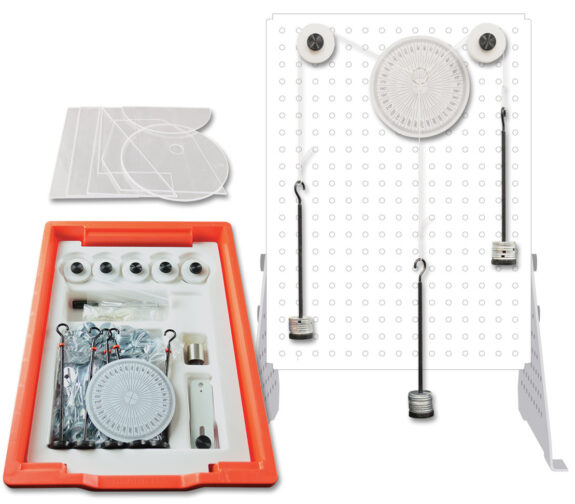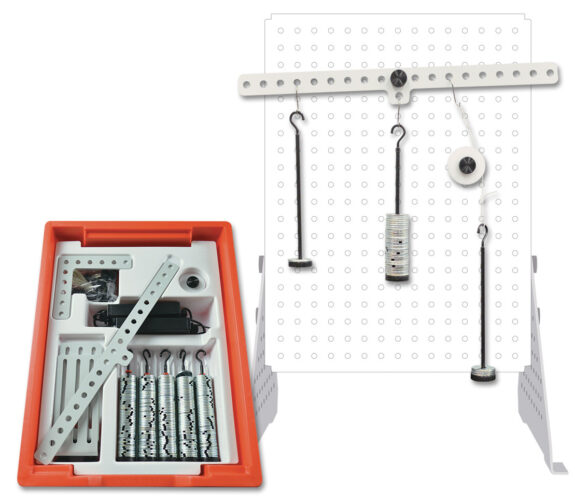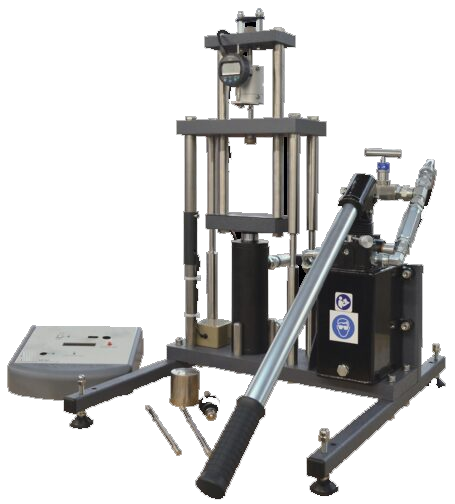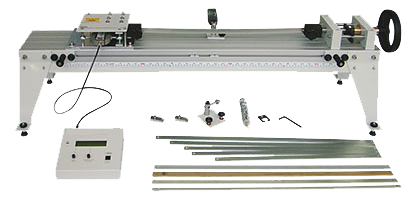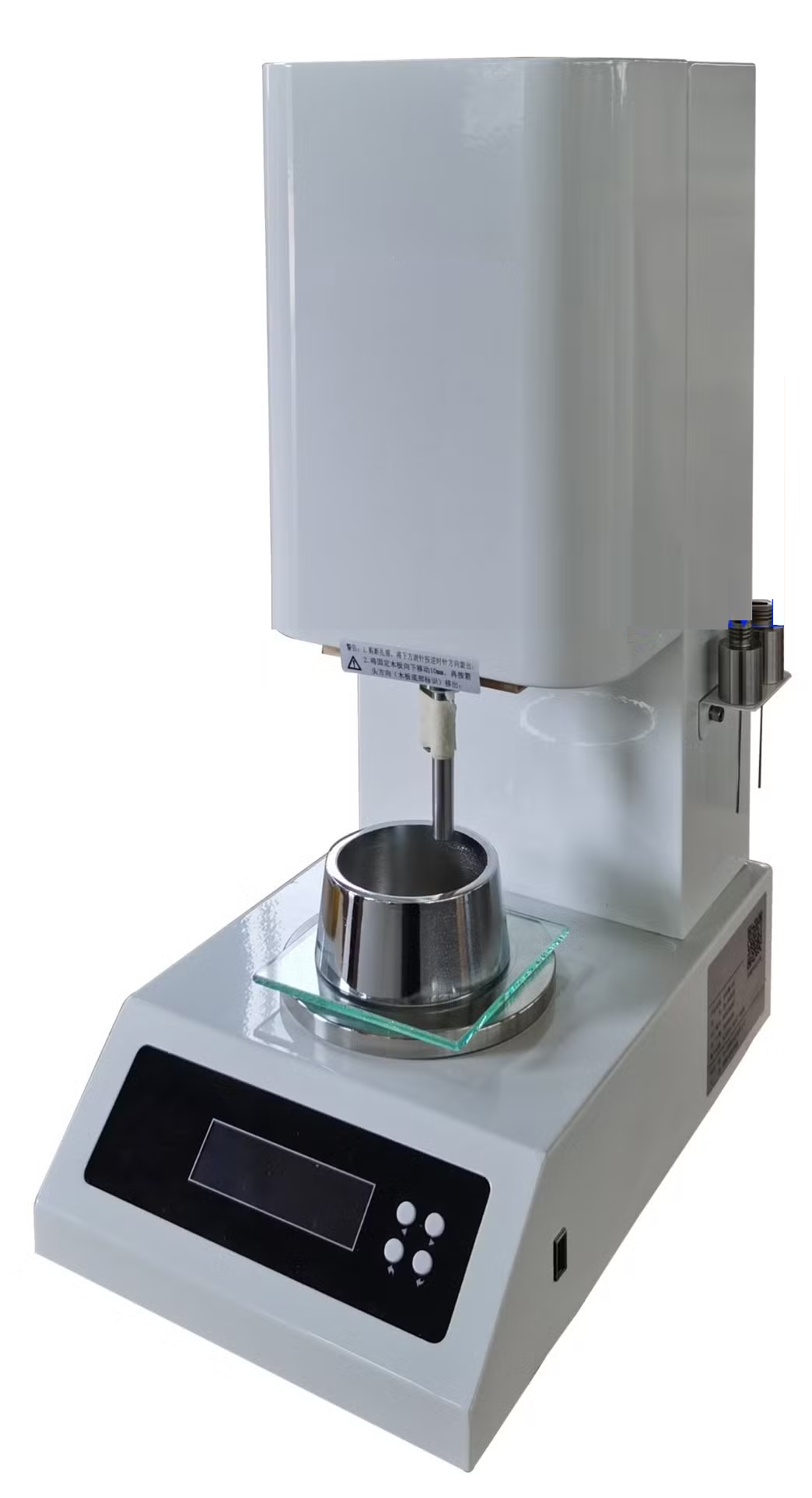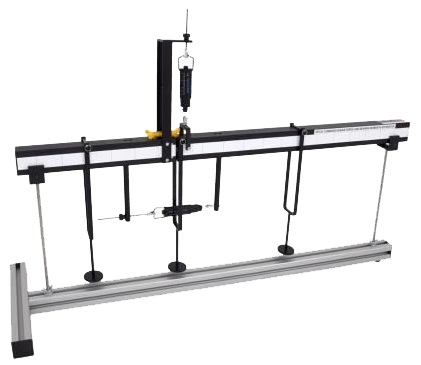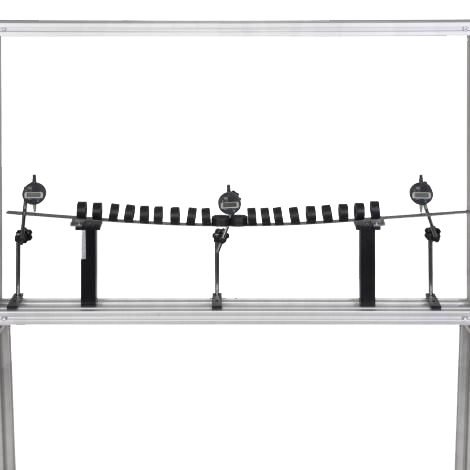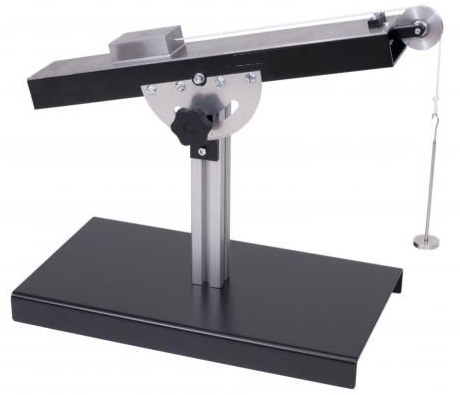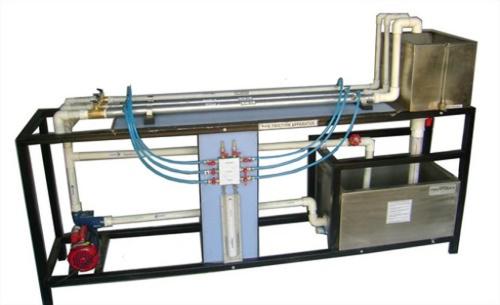
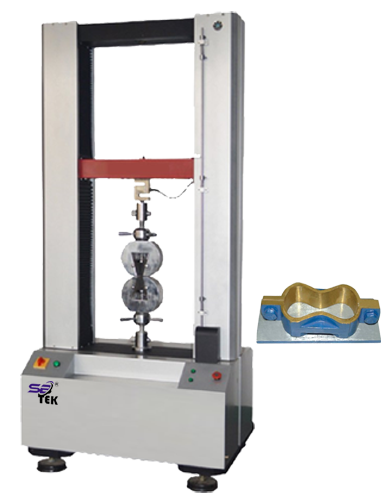
Application: Electrical flexure testing machine which can used for flexure strength test of cement specimen and other nonmetallic material.
Technical Specifications:
Double lever output ratio (bottom beam distance ratio): 50:1 (maximum).
Maximum output double lever: 5000N, Minimum 1000N(1KN).
Suitable for Cement/Mortel tensile Strength Range.
Loading speed Double lever: 50N/s.
Flexure fixture: Loading roller and support roller diameter ?10mm, support roll distance 100mm, spacing of draw plate 46mm.
Relative error of displayed value: <± 1%.
Sensitivity: Adjust lever balance for double leverage, and load 1g at the lever level 500mm away from the fulcrum; Lever angle: >1/50.
Supplied with required mould and operation manual.
Loading System: Lead Screw-Based or Servo Motor Driven load application.
Load Measurement: High accuracy Load Cell Accuracy +/-1%.
Display Digital Force indicator with peak load capture and reset options.
Power Supply: 220V,50Hz.
Frame & Construction: Cast iron or mild Steel, Powder Coated, Vibration and Corrosion resistant. Mandatory Data Acquisition (DAQ) System Feature Specifications.
Interface USB Connection to PC or Integrated touch Panel.
Technical Features and Specifications:
USB interface hub for connection to a suitable computer for display and data acquisition.
Supplied with user-friendly simulation, display and data acquisition software.
The hub converts signals from the sensors on different experiment module to USB data format for computer display and data acquisition.
The display and data acquisition software export experiment data to the universal comma separated value format (CSV) for use in spreadsheet and many other software applications.
The USB interface hub UKAS management system certified and it in ISO certificate.
USB interface hub come with fixings and USB cable.
Hexagon tool and AC mains adapter.
Power supply: 220 ~ 230V AC, 50 Hz, 1 Phase.
The versatile data acquisition system software feature:
Recording data manually or automatically.
Data capture set by time or intervals.
Display of real-time data, in digital form or as an analogue meter.
Real-time traces of analogue signals.
Logging data for printing and later analysis.
Exporting data for use by other software.
Performing real-time calculations to generate user defined data.
Creating and printing charts and data tables.